
The iconic clubs, legendary players, and stories that shaped golf history.
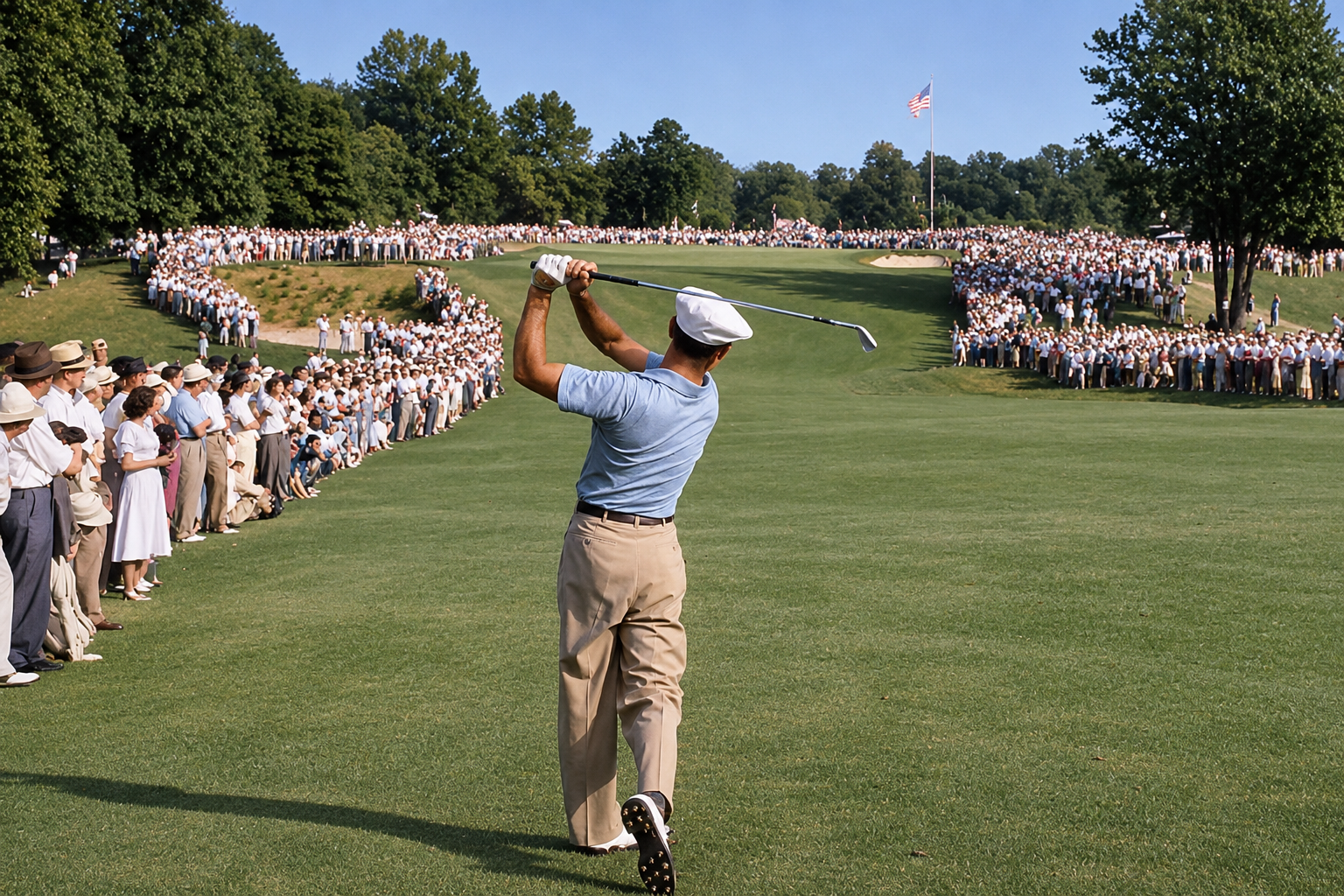
Ben Hogan - 1950 US Open (recoloured)
From Tiger Woods' first Masters victory to the irons that transformed the amateur game, these five sets have earned a permanent place in golf history.
Golf equipment has never been better. Modern irons are faster, more forgiving, and engineered with a level of precision that would have been difficult to imagine a few decades ago.
Yet there's something about the classics that modern technology hasn't quite replaced.
Spend a few minutes browsing Facebook Marketplace or scrolling through a vintage golf equipment forum, and you'll find golfers hunting down iron sets that are 20, 30, or even 40 years old. Some are collectors. Others are nostalgic for the clubs they grew up playing. And a surprising number still believe their favourite irons were never truly surpassed.
The appeal goes beyond performance. These clubs tell stories about the evolution of golf, the players who shaped it, and an era when equipment design was as much about craftsmanship as technology.
Here are five legendary iron sets that still deserve our attention.
The Irons that Changed Everything
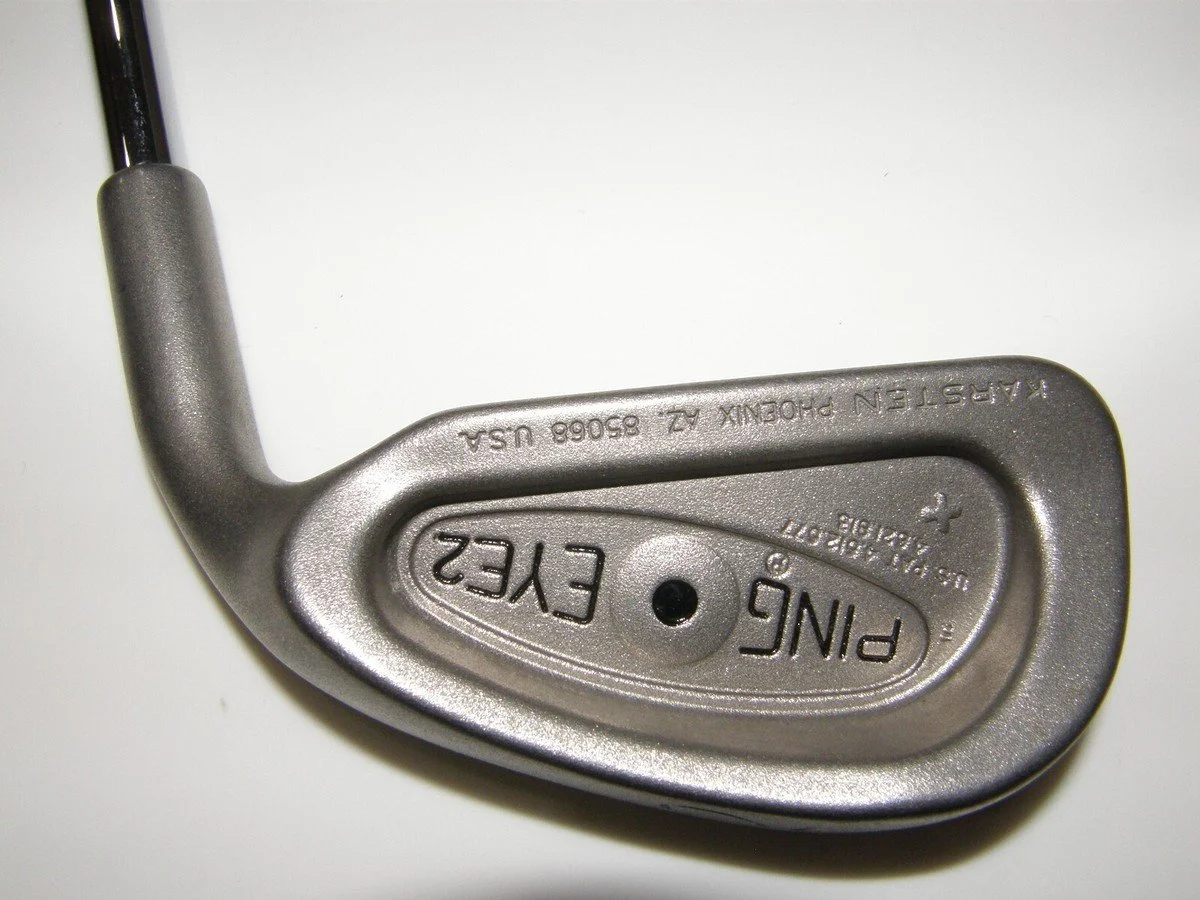
PING Eye 2 (1982)
Few irons have influenced the modern game quite like the PING Eye 2.
Introduced in 1982, the Eye 2 helped establish perimeter weighting and cavity-back construction as serious alternatives to traditional blades. Its distinctive shape, generous forgiveness, and unusual appearance challenged conventional ideas about what a premium golf iron should look like.
For amateur golfers, the appeal was obvious. The Eye 2 offered greater forgiveness on off-centre strikes without abandoning the control better players expected.
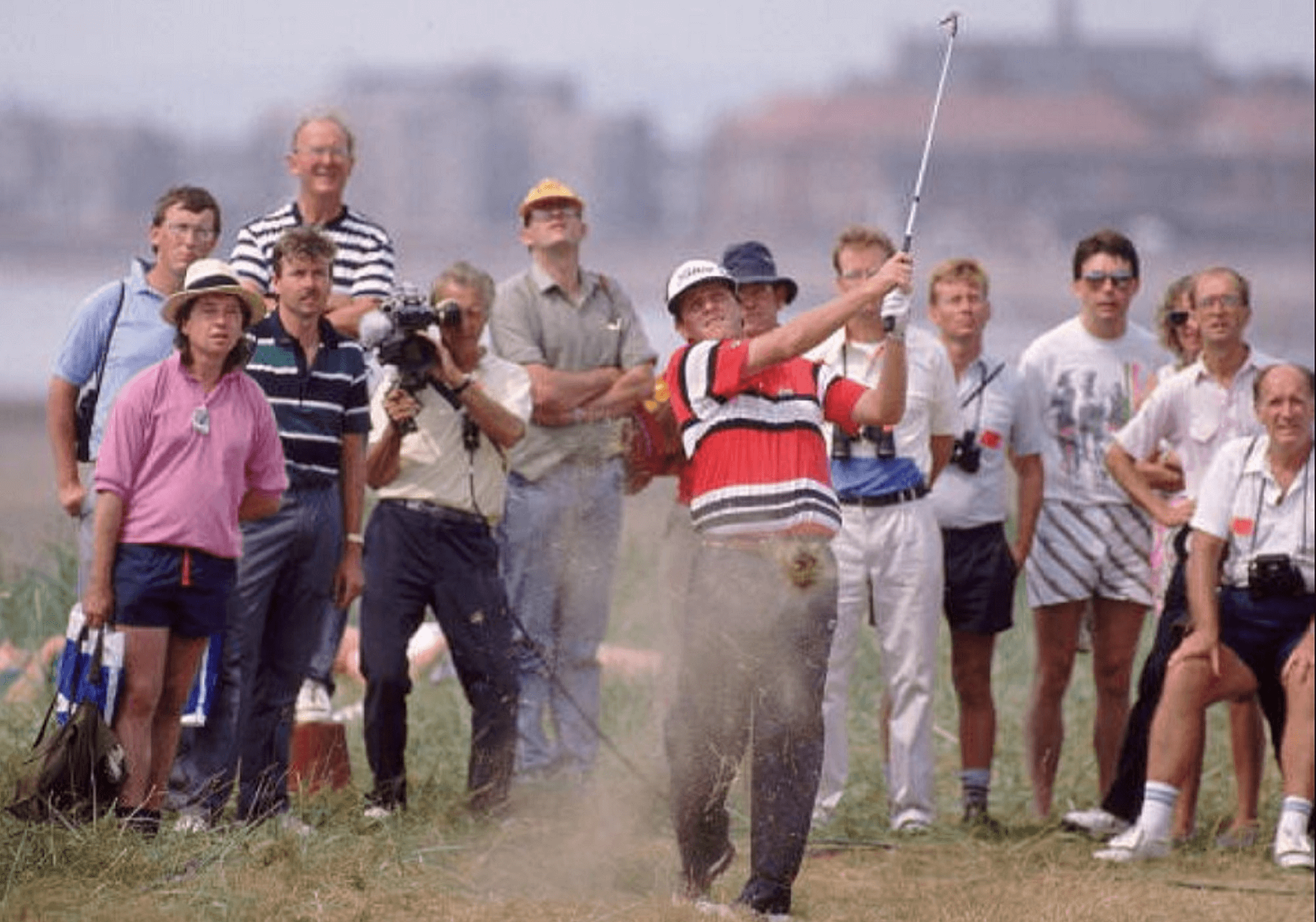
The clubs also became central to one of golf's most memorable equipment controversies. Their square-groove design sparked a lengthy dispute over equipment regulations, drawing professional players, manufacturers, and golf's governing bodies into a debate about the boundaries of innovation.
Major champion Mark Calcavecchia was among the prominent players associated with PING Eye 2 irons during that era.
Today, the Eye 2 remains instantly recognizable. Its appearance might be unconventional, but its influence is undeniable.
The Blades Behind Tiger’s arrival
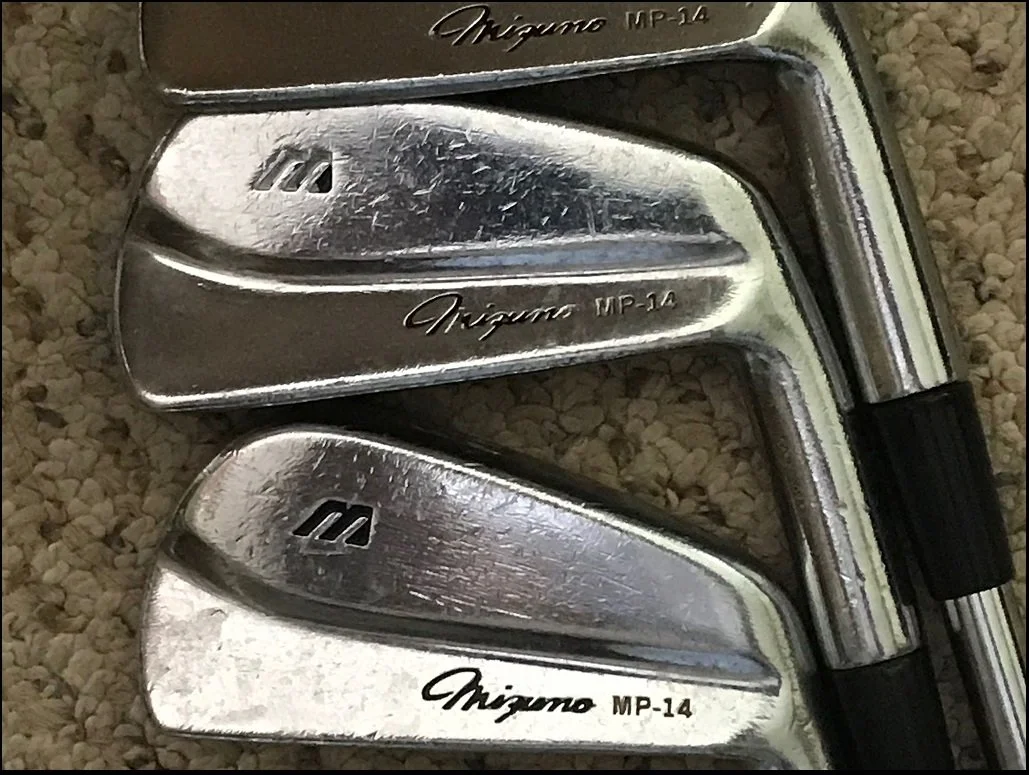
Mizuno MP-14 (1992)
Timeless Japanese forging, beautiful simplicity, and a permanent connection to Tiger Woods' first green jacket. There are beautiful golf irons, and then there are the Mizuno MP-14s.
Introduced in the early 1990s, these forged musclebacks became synonymous with the precision, feel, and understated design that built Mizuno's reputation among accomplished players.

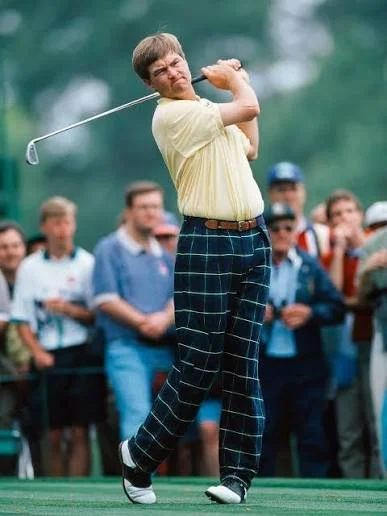
Their place in golf history was cemented at the 1997 Masters when a 21-year-old Tiger Woods dismantled Augusta National en route to a record-breaking 12-stroke victory, he carried a mixed set of Mizuno irons. His long irons were MP-29s, while his 5-iron through pitching wedge were MP-14s.
The combination was deliberate. Woods preferred the offset characteristics of each model in different parts of the set, creating a configuration suited to his eye and ball-striking preferences.
It's a fascinating detail from one of golf's defining performances: even before the modern obsession with custom fitting, Tiger was carefully selecting equipment to match his game.
The MP-14 wasn't built to make golf easy. Its compact head and traditional blade construction demanded a quality strike. But in the right hands, they offer the kind of control that made forged Mizuno irons legendary.
The People’s Iron
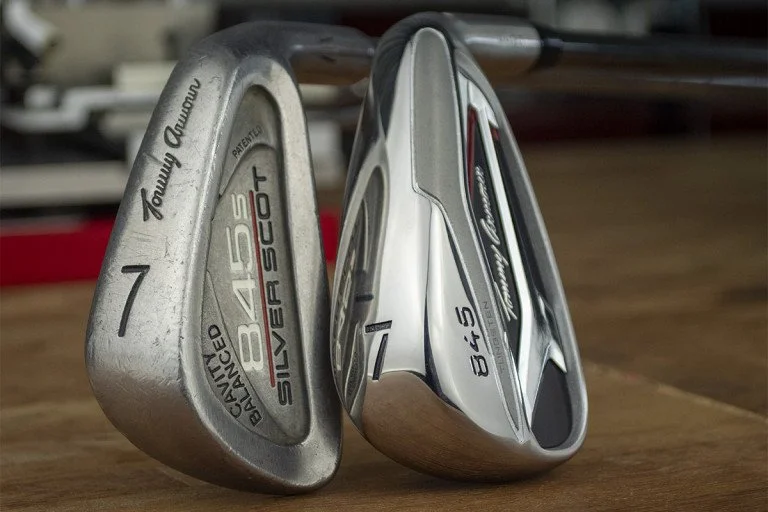
Tommy Armour 845 Silver Scot (1988)
Not every legendary iron earned its reputation through major championships or tour dominance. Some became classics because ordinary golfers couldn't stop playing them.
The Tommy Armour 845 Silver Scot was one of those irons.
Released in 1988, the 845 combined a recognizable cavity-back design with practical forgiveness and a more accessible price than many premium alternatives. Its clean, functional appearance and distinctive branding made it one of the defining iron sets of the late 1980s and early 1990s.
For a generation of golfers, these weren't simply clubs they admired in a magazine. They were the irons they actually owned, practiced with, and carried through countless rounds.
The 845 also had a place in professional golf, with Davis Love III among the notable players associated with the model during its early years.
But the real legacy of the Silver Scot may be its popularity among everyday players. It proved that an iron didn't need an exclusive price tag or a traditional blade profile to become a classic.
Decades later, vintage 845 sets continue to attract interest from golfers who appreciate their straightforward design and enduring playability.
The Blades that Refuse to Disappear
Titleist 680 (2003)
Golf equipment moves quickly. Manufacturers introduce new designs, technologies, and performance claims almost every season.
Adam Scott, however, has repeatedly demonstrated that newer isn't necessarily better.

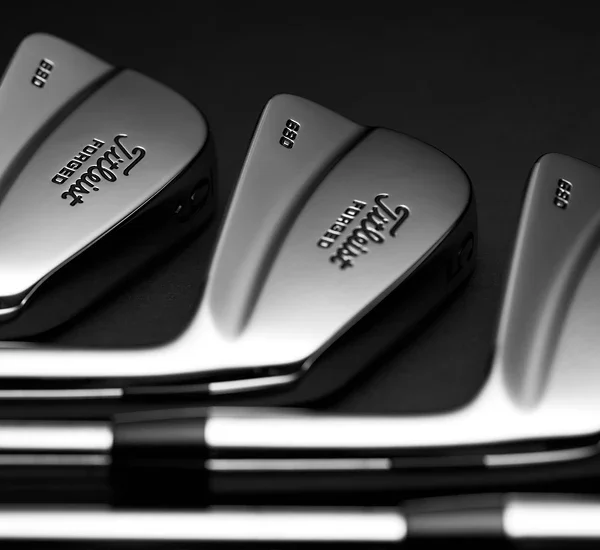
The Titleist 680 is a traditional forged muscleback with a clean profile, compact appearance, and the kind of understated design that has long appealed to accomplished ball-strikers.
Scott first played the 680 in the early 2000s. Although he experimented with newer models over the years, he eventually returned to the design, continuing to use it long after most golfers would have considered it outdated.
His preference wasn't simply nostalgia. Scott appreciated the shape, offset, and overall appearance of the club at address.
That connection makes the 680 particularly interesting. In a sport where professional players have access to virtually unlimited equipment options, one of the game's most admired swings remained attached to an iron design from another era.
It's worth distinguishing the 680 from the Titleist 710 MB irons Scott used to win the 2013 Masters. The 680's story isn't about one particular major championship. It's about a player's lasting preference for a familiar design.
A Tribute to Golf’s Greatest Craftsman
Ben Hogan Apex Redline (1988)
Few names carry more weight in the history of golf equipment than Ben Hogan.
Hogan's reputation as one of the game's greatest ball-strikers extended into his approach to club design. His equipment company became closely associated with precision, traditional craftsmanship, and an uncompromising attention to detail.
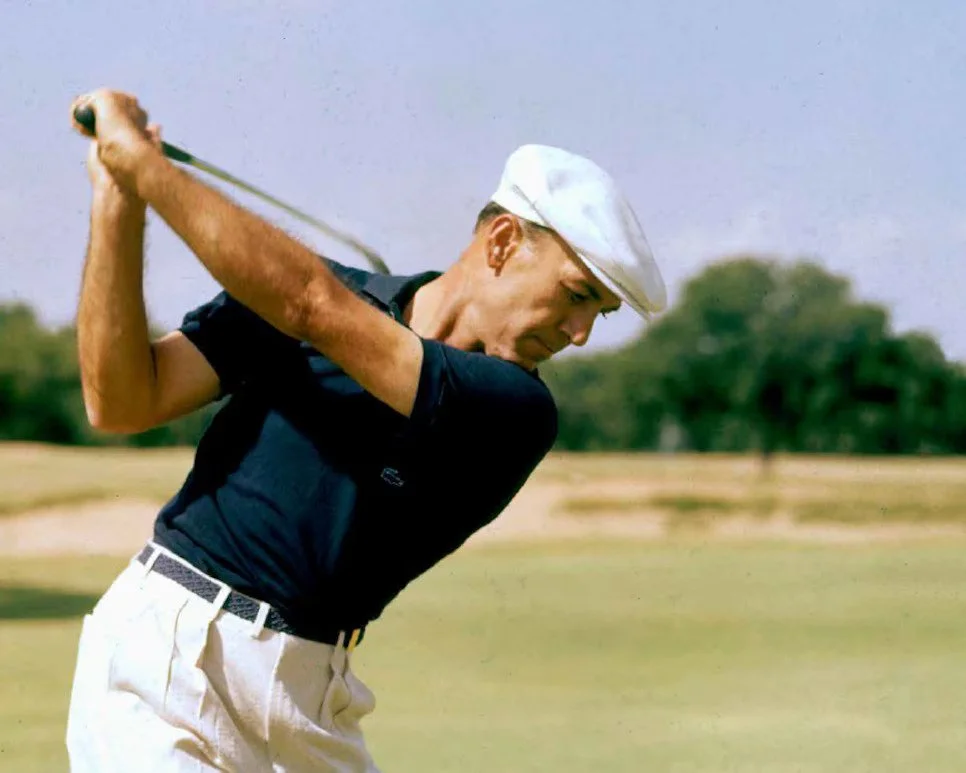
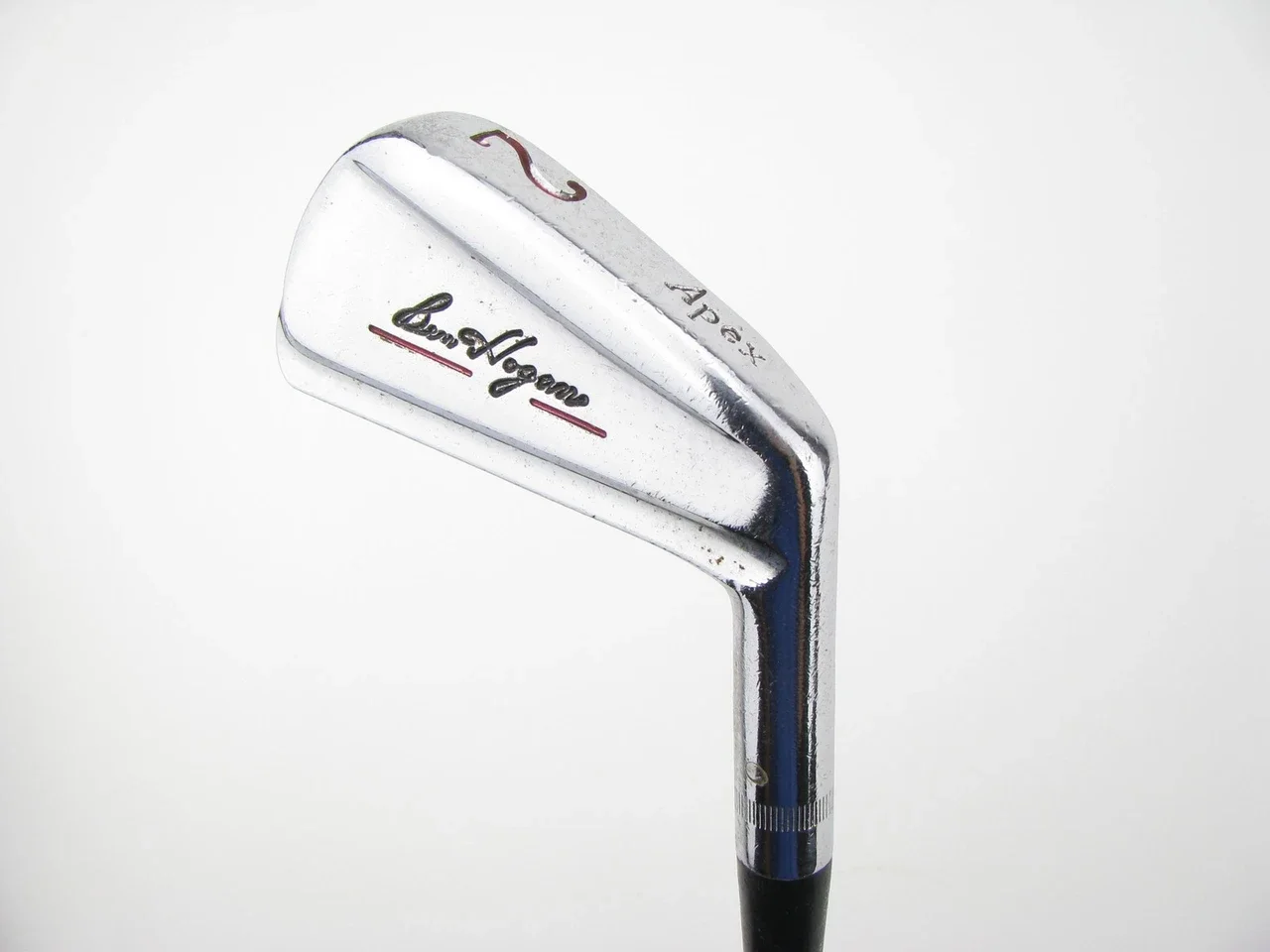
The Apex Redline irons, introduced in 1988, captured much of that philosophy.
With their classic forged-blade appearance and distinctive red line beneath the Hogan signature, these irons represented a period when subtle design details and craftsmanship were central to a club's identity.
Unlike the more forgiving cavity-back models gaining popularity during the same period, the Apex Redline retained the look and feel of a traditional player's iron.
They weren't designed for everyone. That was part of their appeal.
The Redline's place on this list is less about a specific tournament-winning moment and more about the equipment legacy of Hogan himself. The clubs reflect a philosophy of golf built around precision, discipline, and the satisfaction of a perfectly struck iron shot.
For collectors and traditionalists, that remains a compelling proposition.
More than Nostalgia
There's an obvious argument against playing vintage irons today.
Modern clubs are generally more forgiving, easier to launch, and better suited to a wider range of golfers. Advances in materials, manufacturing, and fitting have made meaningful improvements to equipment performance. But golf has never been entirely about optimization.
The feel of a well-struck forged iron, the familiar shape of a club behind the ball, or the memory of watching a favourite player hit an unforgettable shot can create an attachment that no launch-monitor number fully captures. That's what makes these five sets special.
The PING Eye 2 helped redefine forgiveness. The Mizuno MP-14 was part of Tiger Woods' historic arrival at Augusta. The Tommy Armour 845 became a favourite of everyday golfers. The Titleist 680 demonstrated the enduring appeal of a classic blade, while the Hogan Apex Redline preserved a tradition of craftsmanship.
Different designs. Different generations. Different stories.
All five remind us that the best equipment isn't always the newest.
