
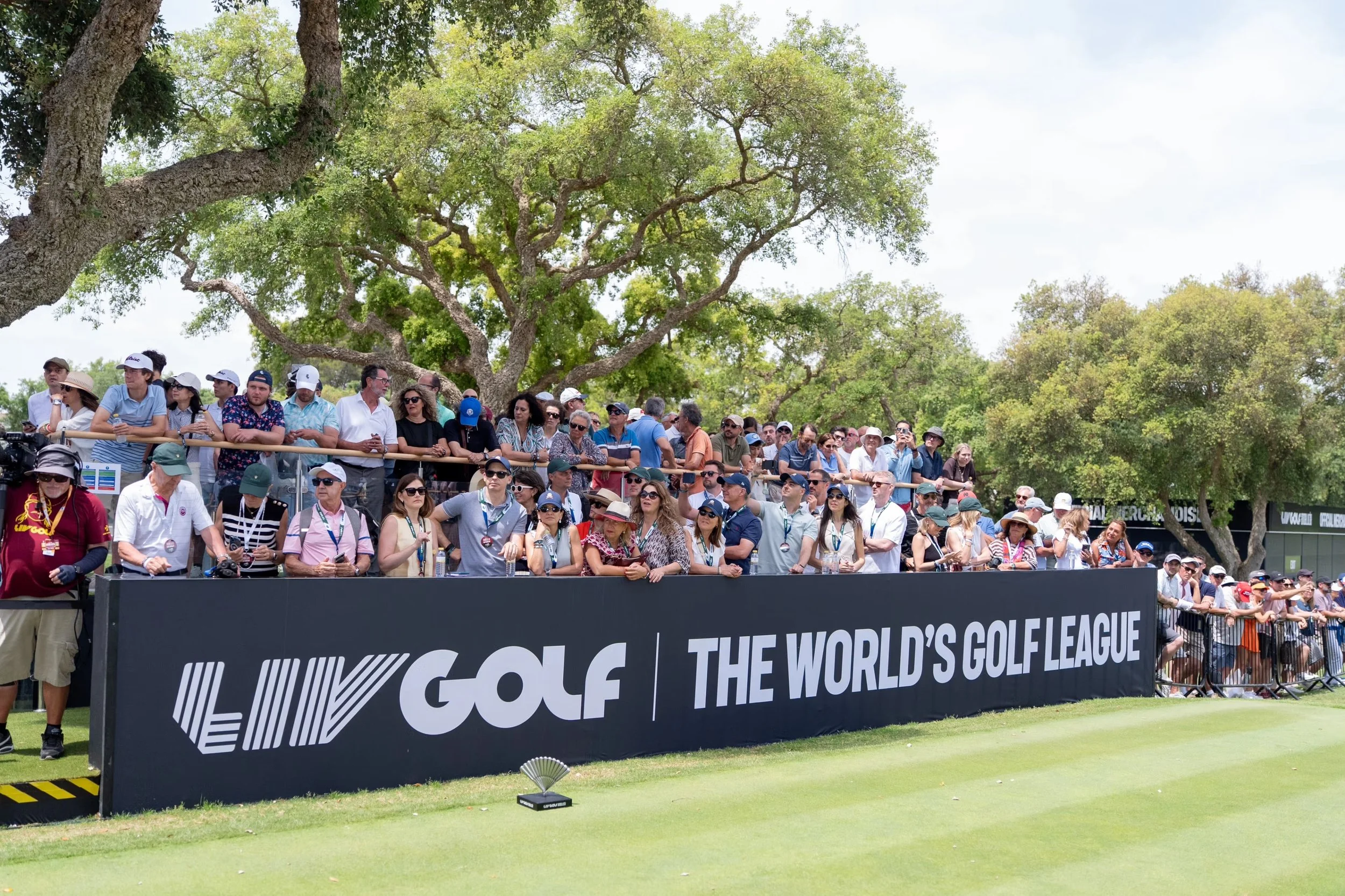
As LIV Golf faces liquidation, Bryson DeChambeau reflects on the league's legacy, private investors explore a possible revival, and the Internet Invitational offers a glimpse of where golf entertainment might be heading.
For nearly five years, professional golf has been divided over its future. While traditionalists defended the PGA Tour and the institutions that shaped the game, LIV Golf promised something different: shorter tournaments, team competition, bigger personalities, and a new experience for fans.
The divide became increasingly bitter, with players and fans finding themselves on opposing sides. Now, after billions of dollars in investment, LIV is facing liquidation following the withdrawal of its Saudi financial backing and the collapse of a proposed privately financed relaunch.
There may still be another chapter, with investors reportedly exploring ways to preserve the competition. But regardless of what happens next, LIV's struggles raise an interesting question: What if the league was right about golf needing to change, but wrong about how to change it?
LIV Was Right to Challenge the Status Quo
When LIV launched in 2022, the PGA Tour was enormously successful, but its model wasn't beyond criticism. Tournament broadcasts could feel repetitive, schedules were demanding, and fans had limited opportunities to connect with players beyond their performances on the course.
LIV introduced ideas worth considering. Shotgun starts condensed tournaments into more predictable viewing windows, team competition attempted to establish new identities, and festival-like atmospheres offered an alternative to traditional events.

Its greatest impact, however, may have been financial. The PGA Tour responded with significant changes to its competitive structure, including larger purses and events designed to bring leading players together more frequently.
Not every change was necessarily an improvement, but LIV forced golf's established institutions to reconsider how they served players, sponsors, and audiences.
LIV had demonstrated that there was room to challenge the traditional model of professional golf. Whether it could turn those ideas into a sustainable competition, however, was another question.
Why the Model Struggled
LIV's difficulties are often attributed to its unconventional format: 54-hole tournaments, no cuts, shotgun starts, and unfamiliar teams. But the deeper challenge was establishing an identity independent of the players it recruited.
Golf fans already knew Dustin Johnson, Brooks Koepka, Phil Mickelson, and Bryson DeChambeau. Their reputations were built through major championships, memorable rivalries, and years of competition. Moving them into a new league didn't automatically transfer the history and emotional investment that made their achievements meaningful.
The team concept faced similar challenges. Unlike established sports franchises, LIV's teams lacked geographic loyalties, longstanding rivalries, and generations of supporters. Those connections take time to develop, regardless of the money invested.
Ultimately, LIV struggled to establish a sustainable commercial model. When Saudi Arabia's Public Investment Fund moved to withdraw its support, a proposed restructuring involving up to $300 million in financing offered hope. But negotiations failed to secure sufficient player commitments on acceptable terms, and the relaunch was abandoned in early November.
LIV demonstrated that attracting world-class talent and building a sustainable sports business are two very different challenges.
Bryson DeChambeau and the Changing Golf Audience
Few players represent LIV's complicated legacy better than Bryson DeChambeau. The two-time U.S. Open champion became one of the league's biggest personalities, but some of his greatest success in reaching new audiences happened away from LIV tournaments.
Through YouTube, DeChambeau built a direct relationship with fans that traditional broadcasts rarely provide. His content offers a more personal look at his game, personality, and willingness to experiment, allowing audiences to connect with him beyond tournament results.
While LIV invested enormous sums attempting to build an audience around established professionals, Bryson was developing his own following.
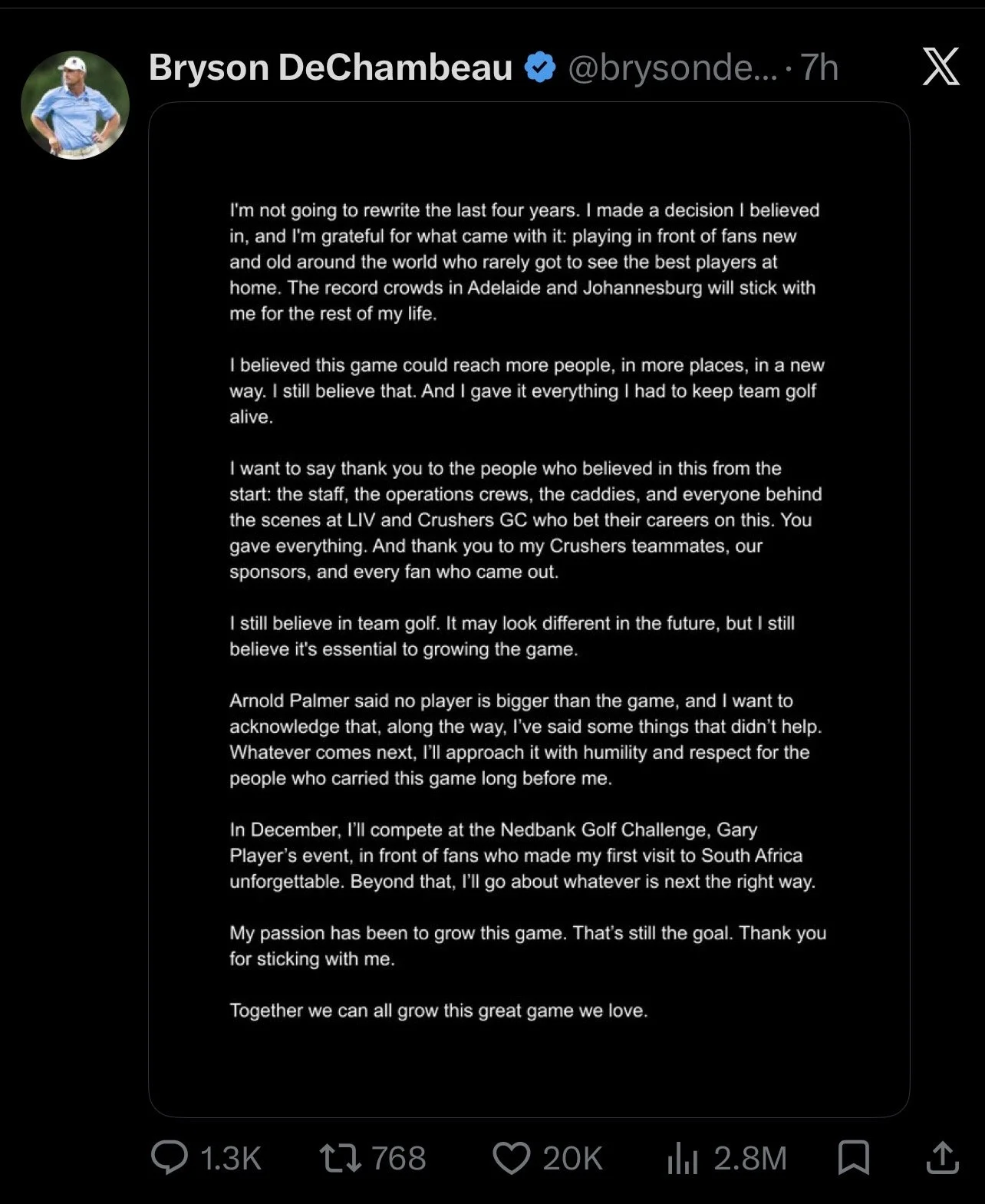
In a November 8 statement on social media, DeChambeau defended his decision to join LIV and reaffirmed his belief in team golf. He also acknowledged that some of his previous comments had not helped the wider conversation, referencing Arnold Palmer's belief that no player is bigger than the game.
His competitive future remains uncertain, but his success as a content creator has already demonstrated how professional golfers can connect with audiences in new ways.
What the Internet Invitational Is Getting Right

While LIV has struggled to establish a sustainable audience, creator golf continues to grow. The Internet Invitational, developed through a collaboration involving Barstool Sports and Bob Does Sports, offers a particularly interesting example.
Its second edition features 64 players competing for a $4 million prize fund, with episodes released on YouTube. The combination of competitive golf, recognizable personalities, humour, and reality television-style storytelling has attracted considerable attention.
What makes the format compelling isn't necessarily the standard of golf. Viewers follow the personalities, relationships, rivalries, and unpredictable moments that develop throughout the competition. Many already know the participants through years of online content, giving them a reason to care before the first shot is struck.
Unlike LIV, which relied heavily on established professional reputations and enormous financial investment, the Internet Invitational builds its appeal around familiar personalities and engaging storytelling.
Creator golf isn't a replacement for professional competition, but its popularity demonstrates that audiences are interested in more than traditional tournament coverage.
What Comes Next?
Despite the collapse of its initial restructuring proposal, LIV's future may not be entirely settled. Reports suggest that BC Partners is exploring another attempt to preserve the competition, potentially through acquiring its bankruptcy financing.
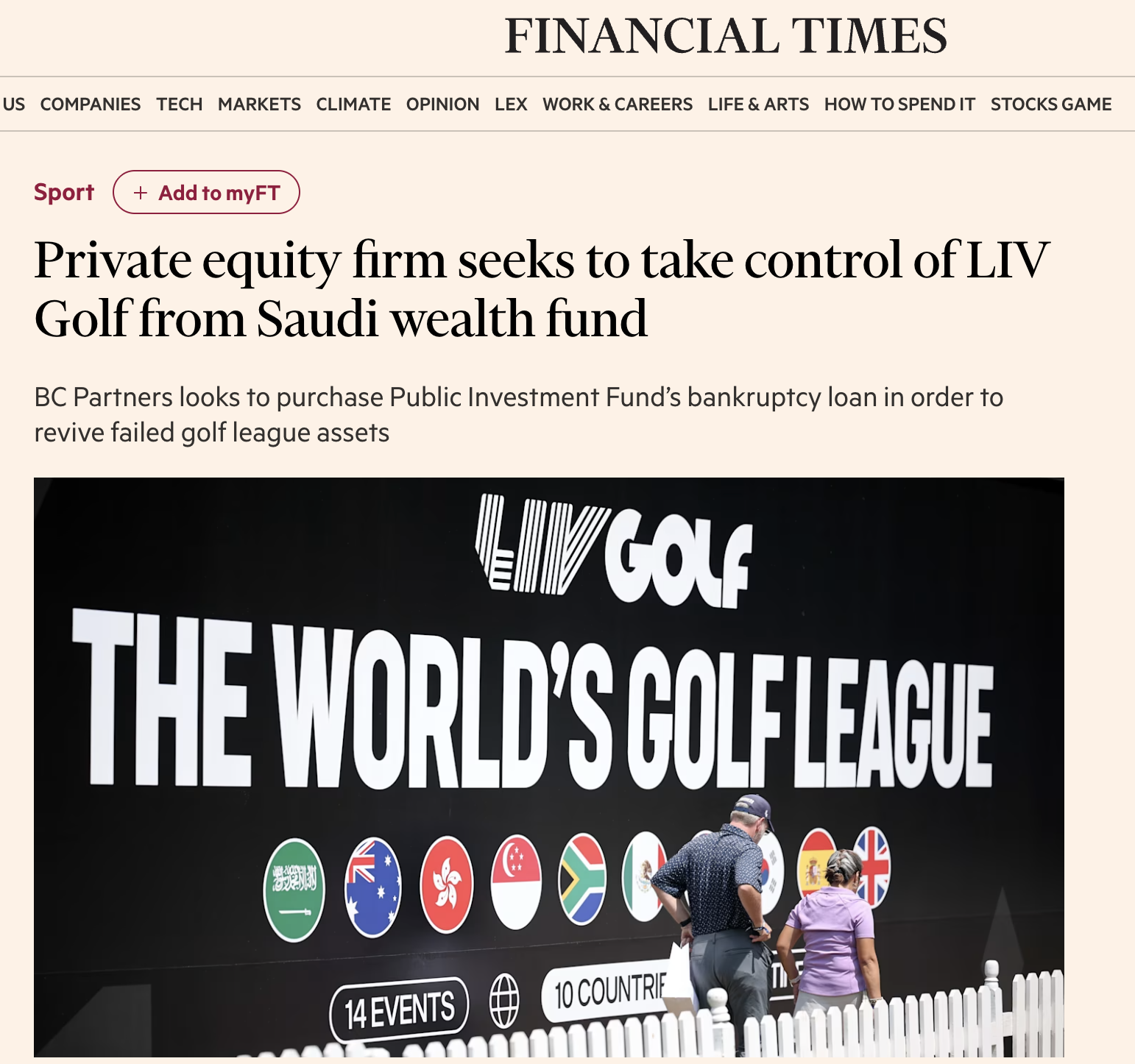
A smaller, privately financed league could retain some of LIV's more interesting ideas without the extraordinary spending that defined its early years. However, significant obstacles remain, and no agreement or successful relaunch is guaranteed.
It's tempting to view LIV's struggles as a victory for traditional golf, but that would overlook the challenges it exposed. The PGA Tour still faces questions about its schedule, broadcasts, player compensation, and ability to engage new audiences.
The Masters doesn't need reality television storylines to make its final round compelling, just as the Internet Invitational doesn't need to imitate the Masters to entertain its audience. Both succeed by understanding what makes their particular experiences meaningful.
LIV challenged the established order and accelerated change, even as its own financial model struggled. Bryson DeChambeau and the Internet Invitational have demonstrated different ways to build audiences through personality, storytelling, and connection.
Perhaps the most important lesson is that golf's future isn't about choosing between tradition and innovation, but understanding what makes people care about the game in the first place.
