
Is the Blade Putter Dying?
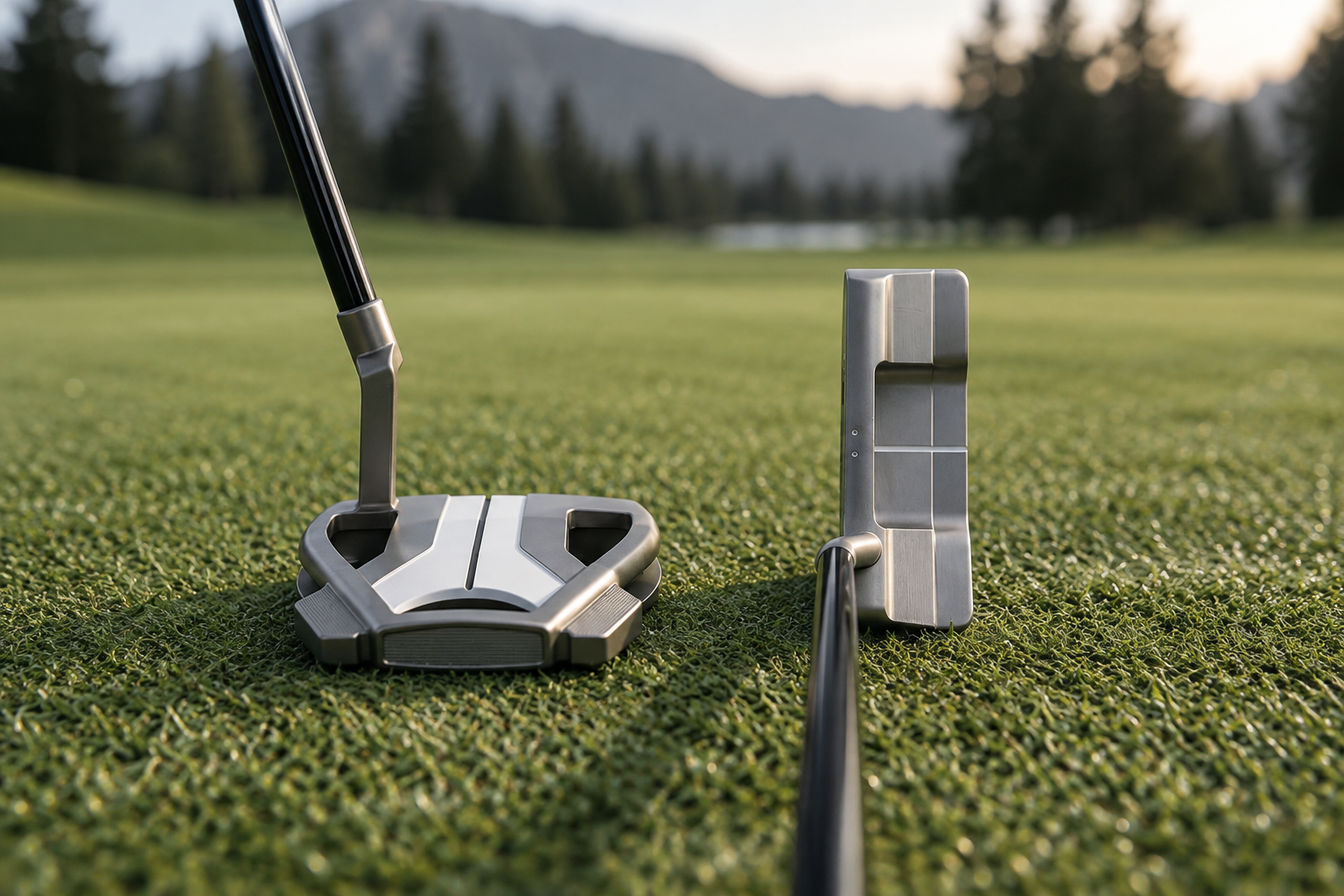
There may not be a piece of golf equipment more immediately recognizable than a blade putter.
A thin topline. A clean face. A little weight behind the heel and toe. For generations, that shape has sat behind some of the most important putts in golf — and in the bags of golfers who simply liked the idea of carrying something that looked the way a putter was supposed to look.
The blade is simple. Familiar. Beautiful.
The mallet has not always enjoyed the same reputation. Bigger. Stranger. Occasionally ugly. For years, putting one in the bag could feel like an admission that you needed a little help on the greens. At least, that used to be the idea because somewhere along the way, the players who need the least help in the world started reaching for them too.
The mallet migration
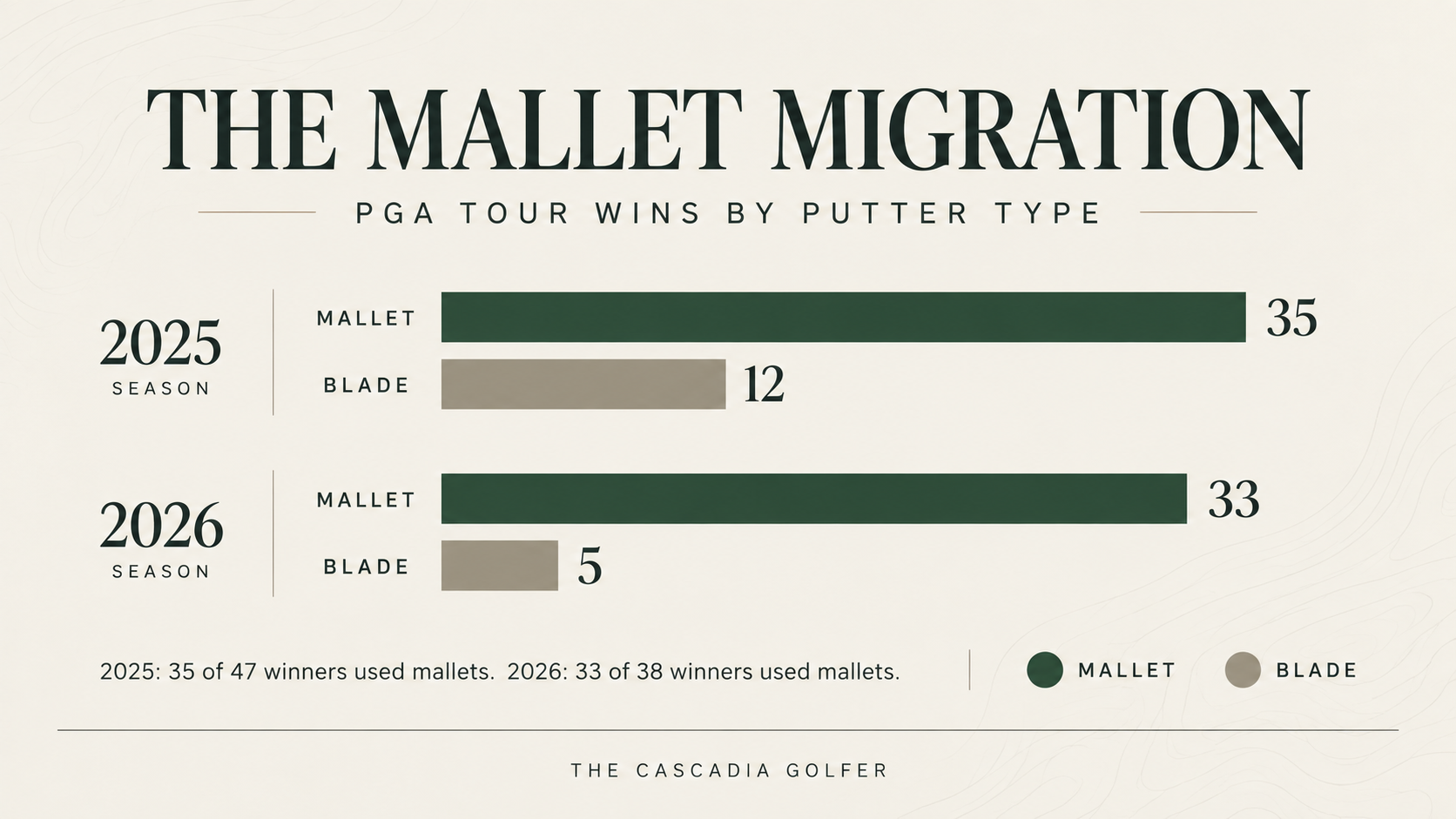
Walk down a PGA Tour practice green today and the traditional blade is becoming surprisingly difficult to find. In 2025, 35 of the PGA Tour's 47 winners used mallet-style putters. Only 12 wins came with blades. By the end of that season, every player inside the top 10 of the Official World Golf Ranking had a mallet in the bag. (PGA Tour)
The names make the shift even harder to ignore. Rory McIlroy. Tommy Fleetwood. Justin Thomas. Ben Griffin. And, perhaps most importantly, Scottie Scheffler. For years, Scheffler's putting was the obvious weakness in an otherwise remarkably complete game. He had spent most of his career looking down at the familiar shape of a blade before eventually putting a TaylorMade Spider mallet into play in March 2024.
He won with it immediately.
That doesn't mean the Spider magically fixed Scottie Scheffler. Equipment changes rarely tell the entire story, and Scheffler was also working on his technique with putting coach Phil Kenyon. But the putter change became part of one of the more significant putting transformations in recent professional golf. (PGA Tour)
More importantly, Scheffler wasn't alone. Late in 2025, Ben Griffin found himself 19th on Tour in Strokes Gained: Putting. By any reasonable standard, he was already an excellent putter. But he noticed something. He believed he was the highest-ranked player on that list still using a blade. So Griffin did what modern professional golfers increasingly do: he followed the data and put a TaylorMade Spider Tour X in the bag at the World Wide Technology Championship.
Then he won. It was Griffin's third victory of the season and the 15th PGA Tour win of 2025 for a TaylorMade Spider model. (PGA Tour)
At some point, coincidence starts looking like a trend.
So what do they know?
Perhaps nothing that complicated. Maybe the best golfers in the world are simply becoming more willing to accept something recreational golfers have resisted for a long time: Forgiveness is useful. Even with a putter.
The basic argument for a mallet starts with physics. Its larger head gives designers more room to distribute weight away from the centre of the clubhead. That can increase moment of inertia — MOI — essentially making the putter more resistant to twisting when the ball isn't struck perfectly in the centre of the face.
For a golfer, the benefit is relatively simple. Miss the sweet spot slightly and the putter can do a better job of maintaining its stability, launch and ball speed. The larger footprint also gives designers considerably more real estate for alignment aids. Lines, contrasting materials and geometric shapes can all help a golfer establish where the face is pointing before the stroke even begins.
Interestingly, the professionals switching aren't all doing it for the same reason. TaylorMade's Tour putter representative said Griffin was looking for additional forgiveness and more consistency in launch and speed. Fleetwood found the larger footprint helped him sole the putter more consistently and repeat his setup. Scheffler's move was driven more heavily by alignment. (PGA Tour)
Different problems. Similar solution.
And modern mallets have complicated another old piece of putting wisdom: that golfers with arcing strokes should use blades while golfers who take the putter straight back and straight through should use mallets. Different necks, hosels, centre-of-gravity locations and toe-hang configurations now allow manufacturers to make mallets that behave much more like traditional blades during the stroke.
The weekend golfer
Of course, what works for Scottie Scheffler doesn't automatically matter to the rest of us.
Tour professionals hit the centre of the face more consistently. They practise more. Their equipment is fitted down to details most recreational golfers will never think about. So the more interesting question might be what happens when you put these clubs in the hands of ordinary golfers and even there, the numbers remain compelling.
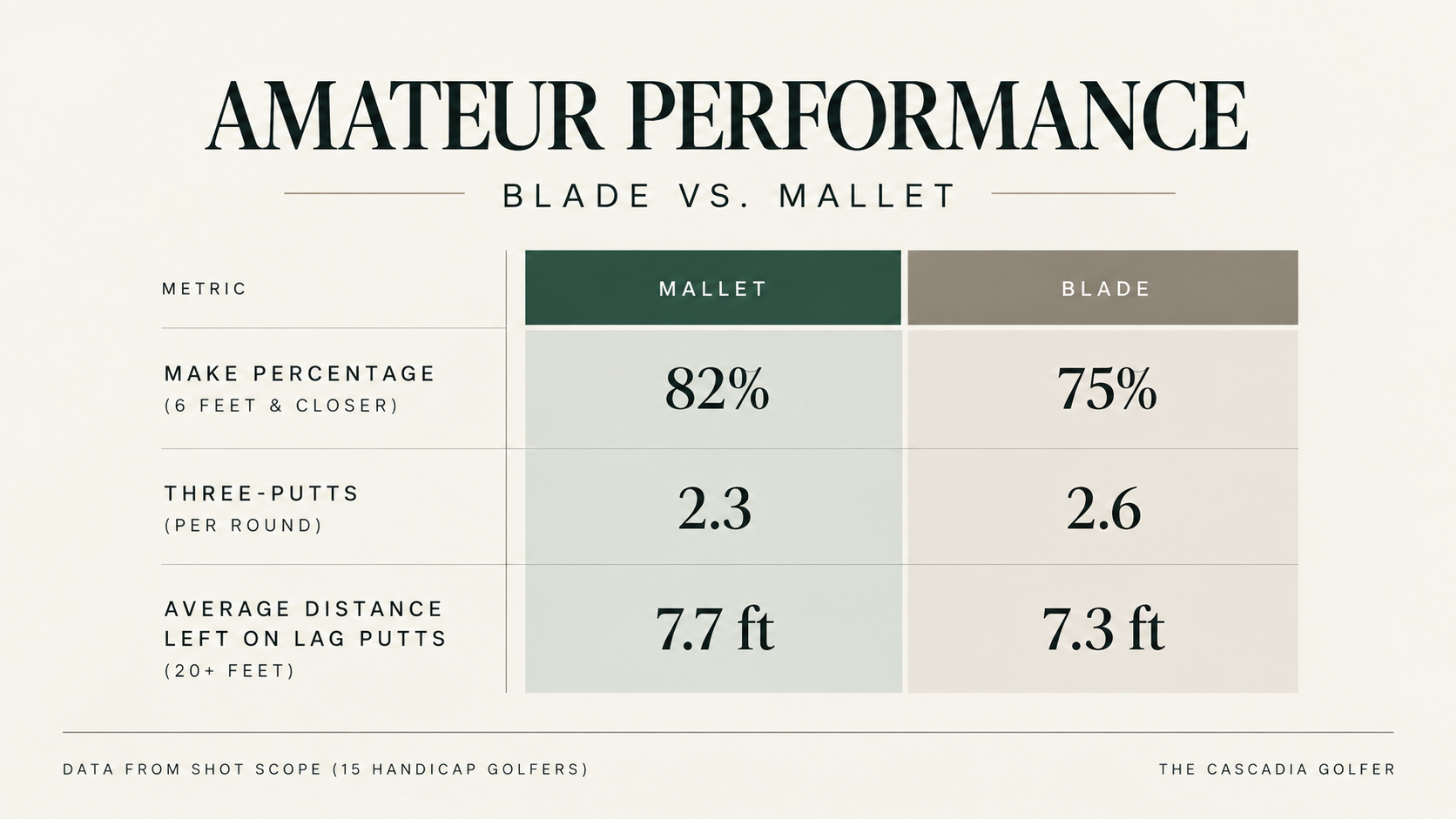
Shot Scope data examined by MyGolfSpy compared blade and mallet performance among 15-handicap golfers. From six feet and closer, the mallet users made 82 percent of their putts compared with 75 percent for golfers using blades or roughly one additional made putt inside six feet per round for mallet users.
But the data isn't entirely one-sided. From beyond 20 feet, blade users actually left their lag putts slightly closer to the hole — 7.3 feet on average compared with 7.7 feet for mallet users. (MyGolfSpy) And these are observational numbers. They don't prove that handing a blade golfer a mallet tomorrow will suddenly make them seven percentage points better from inside six feet.
The golfer holding the club still matters. Which is where the blade makes its case.
The mallet forgives but the blade tells you more.
There is a reason golfers still love blades. Stand over a ball with one and there isn't much between you and the putt. The head is compact. The face is easy to sense. Strike one perfectly and the feedback is immediate. Miss the centre and you tend to know that too. That last part sounds like a disadvantage but it can also be useful.
Jacob Bridgeman offers perhaps the most interesting example in the entire blade-versus-mallet debate. Bridgeman currently games a TaylorMade Spider and has established himself among the PGA Tour's best putters. He has said his strokes-gained numbers roughly doubled after moving from his blade to the Spider. But when he practises, he still pulls out the blade. His reasoning is wonderfully simple: the blade is harder to putt with.
A strike just a few millimetres away from the centre provides feedback that his more forgiving Spider might disguise. If he's rolling the blade well, he knows his stroke is in a good place. Then he takes the forgiveness of the mallet onto the golf course. (Golf)
There may not be a better illustration of the difference between the two designs. The blade tells him more. The mallet forgives him more. Neither quality is inherently better.
The question is which one you need.
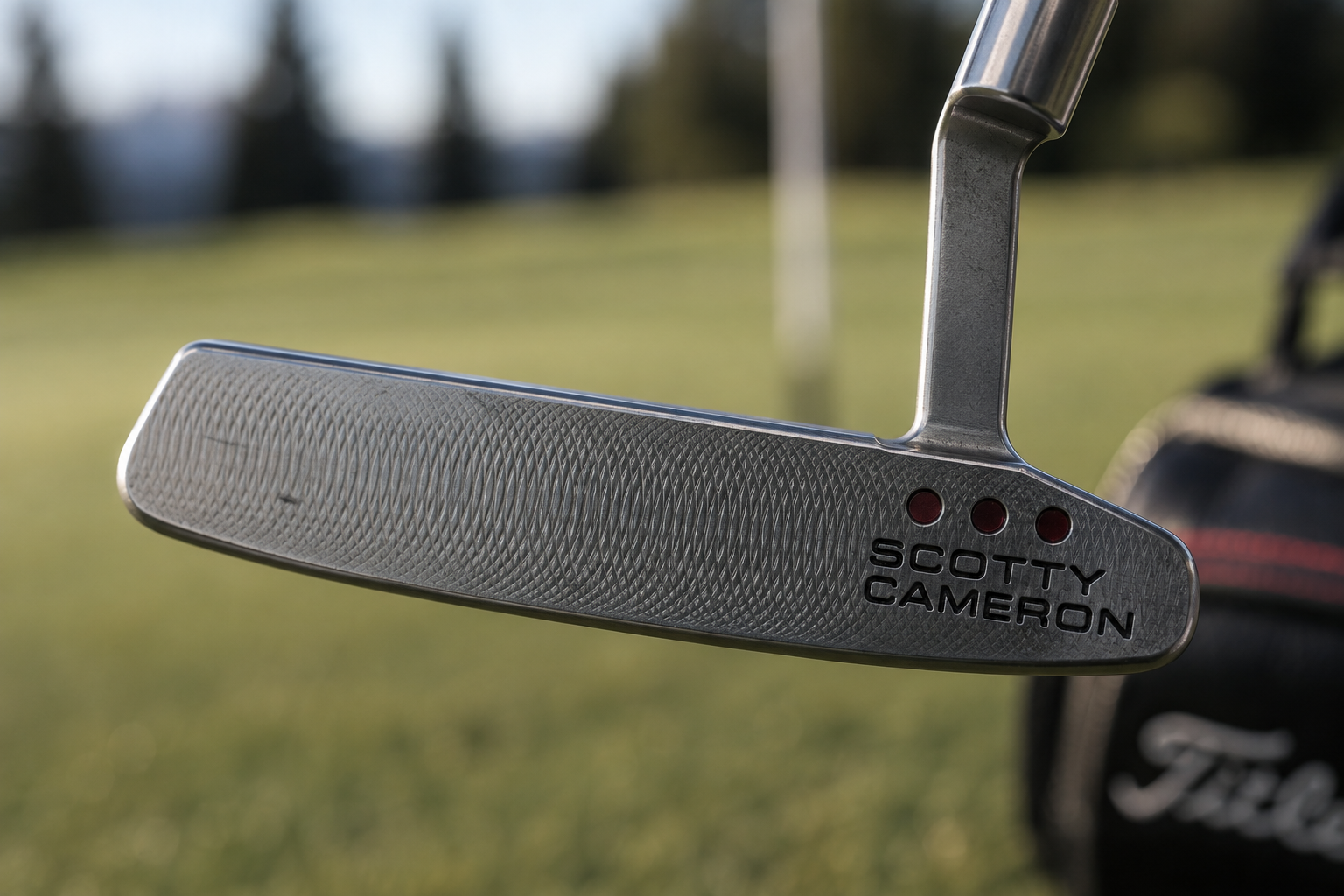
Some things are hard to let go
Golfers are sentimental about their equipment. Maybe nowhere more than the putter. We like the worn grip. The little scratches across the topline. The headcover we've somehow managed not to lose. And there is something undeniably good about looking down at a beautifully made blade sitting square behind a golf ball.
Golf equipment has always existed somewhere between engineering and emotion. We want technology, right up until technology asks us to give up something we love. For decades, the blade barely had to make its case. It looked right. It felt right. And some of the greatest putters the game has ever known used one.
None of that has changed. But the equipment around it has.
Mallets have become more refined. Fitting has become better. The stigma of using something bigger and more forgiving has largely disappeared. And increasingly, golfers at both ends of the game are deciding that a little more stability is worth a little less tradition. And already, the conversation is moving again.
Zero-torque putters—once an unusual sight even by mallet standards—are becoming increasingly difficult to ignore. By positioning the shaft closer to the putter's centre of gravity, these designs are intended to reduce the tendency of the face to rotate during the stroke. L.A.B. Golf helped bring the concept into the mainstream, and major manufacturers are now exploring their own versions of the idea.
Perhaps that's the real story. Golfers once asked whether they were willing to trade the simplicity of a blade for the forgiveness of a mallet.
Soon, we may be asking whether we're willing to give up even more tradition in search of a putter that wants to stay square all by itself.
The blade isn't dead. It probably never will be. It just might finally have to defend its place in the bag.
